
The best books for 2-year-olds
The best books for 2-year-olds have flaps to lift, lines to join in with and very short stories. Our top three are Dear Zoo, We’re Going on a Bear Hunt and The Very Hungry Caterpillar.
Two is a funny age for books. Some days they’ll sit through a whole story. Other days they want to turn three pages at once, lift every flap and then wander off to post a sock behind the radiator.
These are books for 2-year-olds that work on both kinds of day. We’ve grouped them the way most 2-year-olds move through them: books to touch and lift, books to join in with, and first proper stories. Most come as sturdy board books, which matters more than you’d think at this age.
What works at 2
A 2-year-old wants to do something with a book, not just listen to it.
- Things to lift, touch or poke: flaps, textures and holes in the pages keep their hands busy.
- Repetition: a line that comes round on every page, so they can say it before you do.
- Short text: a sentence or two per page. If you’re still reading when they turn the page, it’s too long.
- Pictures to point at: clear animals and everyday things they can name.
- Board pages: they’ll be chewed, dropped and stood on. Paper pages can wait a bit.
Books to lift and touch
These are the books 2-year-olds can “read” themselves, because the fun is in their hands.
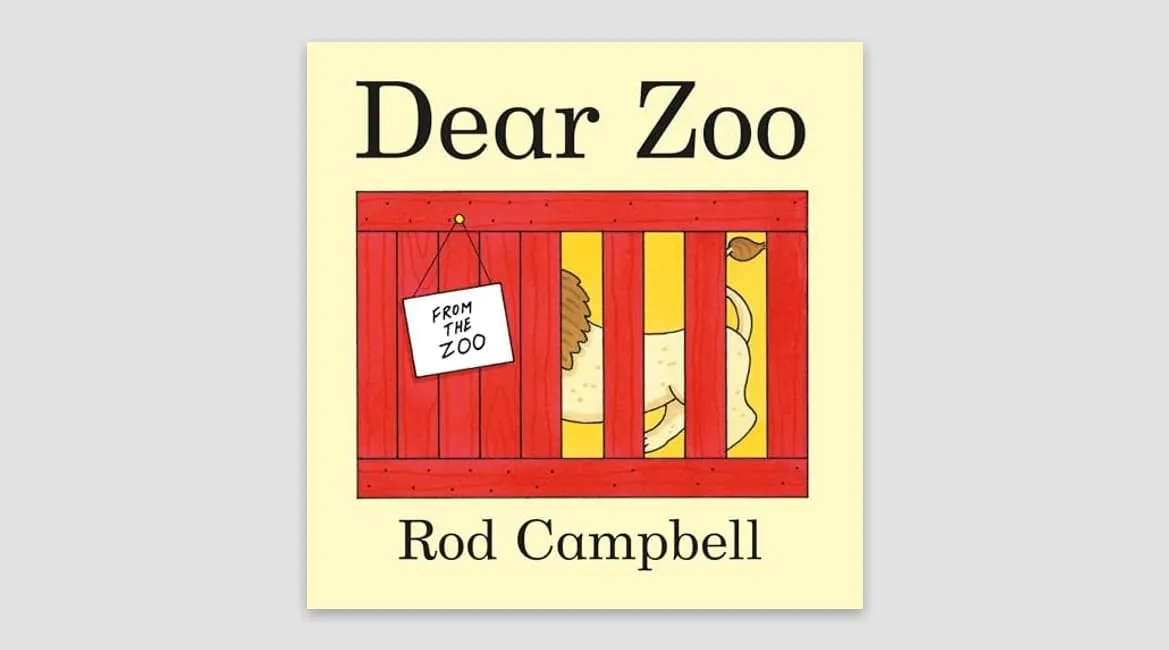
Dear Zoo by Rod Campbell
A child writes to the zoo asking for a pet. Each animal that arrives is hidden behind a flap, and each one is wrong: the elephant’s too big, the giraffe’s too tall, the lion’s too fierce. Then the zoo sends a puppy, which is perfect. They’ll know what’s behind every flap within a week and still want to open them.
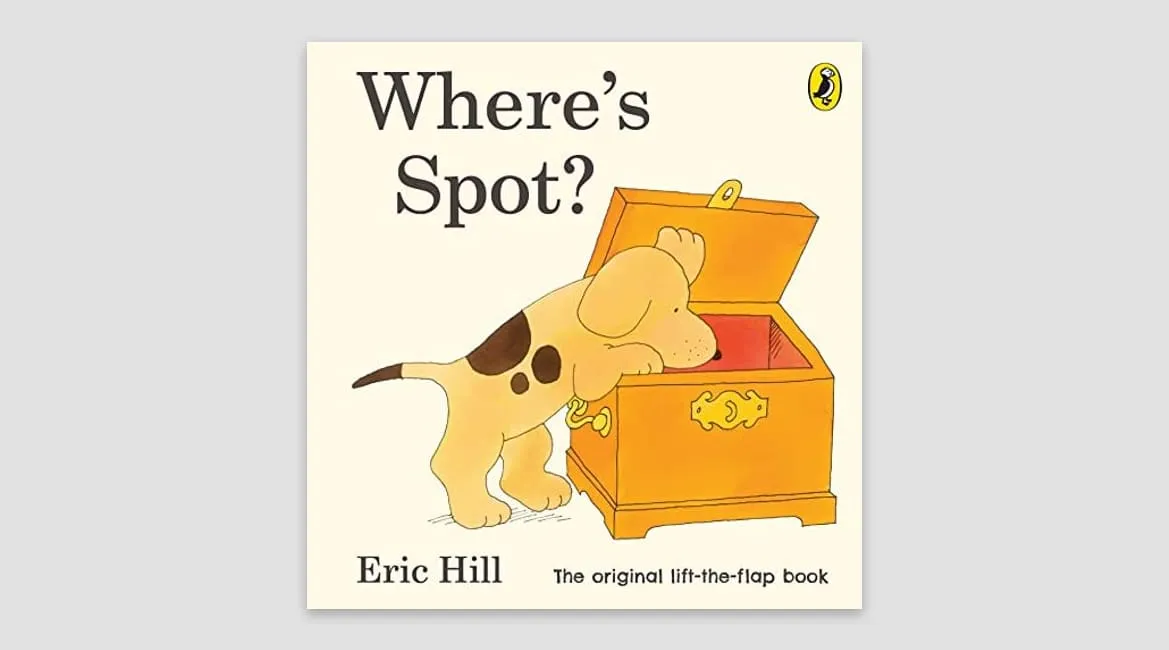
Where’s Spot? by Eric Hill
Spot hasn’t eaten his supper, and his mum, Sally, goes looking for him. Every flap hides a different animal instead, until one of them tells her where to try next. It’s simple and a bit silly, and the hero is a puppy, which helps if yours is dog-mad.
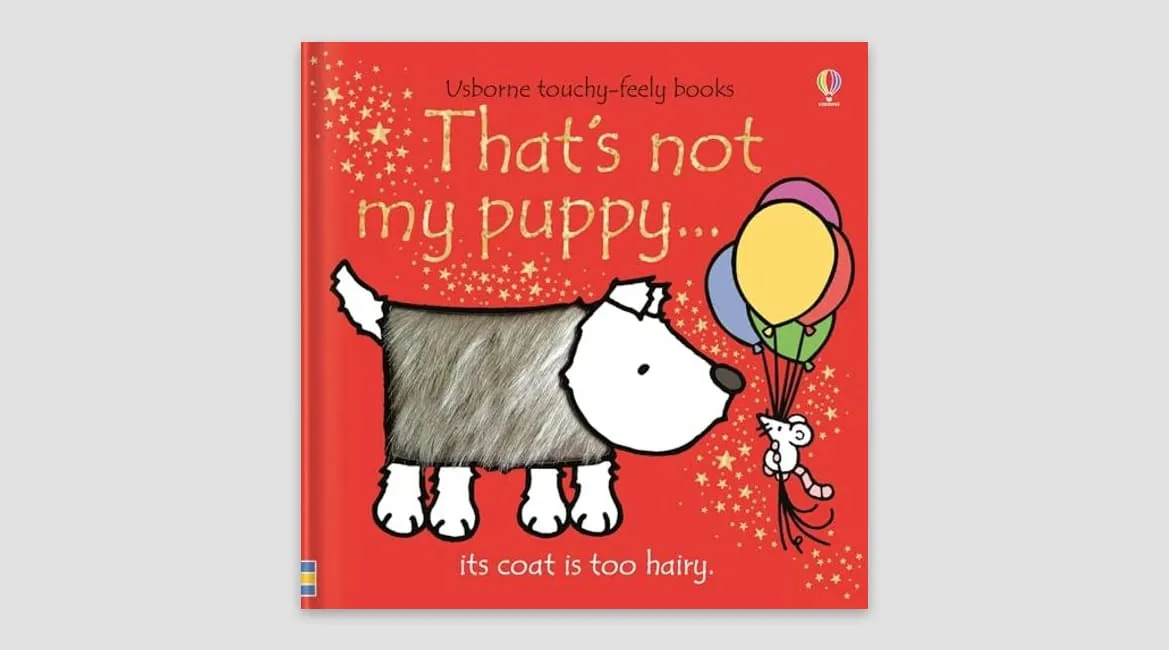
That’s Not My Puppy by Fiona Watt, illustrated by Rachel Wells
Each page has a puppy with something to feel, from a fluffy tail to a shiny collar, and each one isn’t quite right. The words barely change from page to page, which is the point. There are lots more in the series once this one’s worn out.
Books to join in with
Rhythm and repetition are what make 2-year-olds start “reading” along. These are the ones they’ll finish your sentences in.
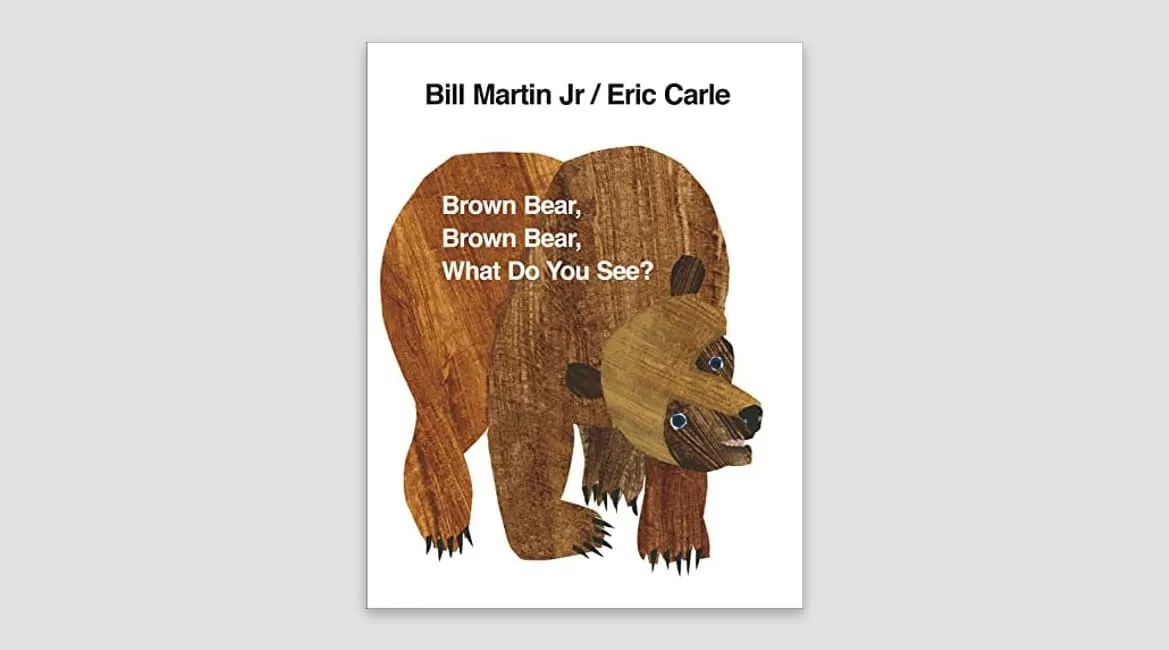
Brown Bear, Brown Bear, What Do You See? by Bill Martin Jr, illustrated by Eric Carle
A question and an answer on every page, each with an animal in a different colour. It’s quietly a colours book, and the pattern is so strong that most 2-year-olds can say the next line before you turn the page.
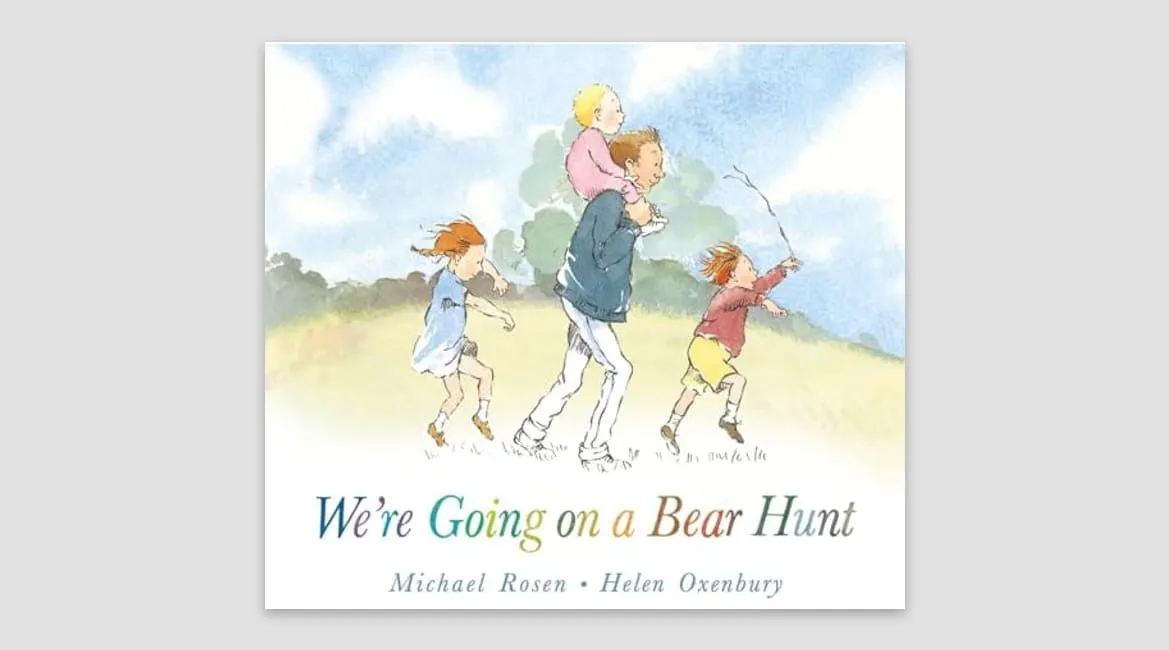
We’re Going on a Bear Hunt by Michael Rosen, illustrated by Helen Oxenbury
A family sets off to find a bear, and every obstacle on the way has its own sound to make. Expect to do the actions, and to do them every time. It’s a good one for getting a reluctant sitter to join in.
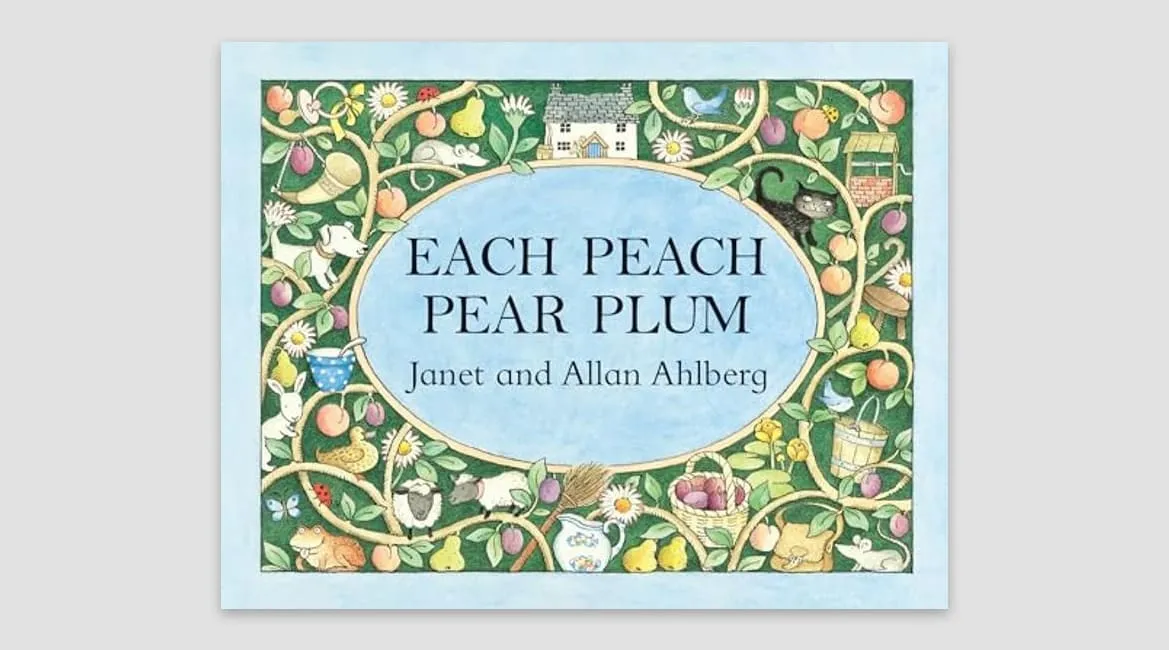
Each Peach Pear Plum by Janet and Allan Ahlberg
An I-spy rhyme with a nursery-rhyme or fairy-tale character hidden in each picture, from Tom Thumb to the Three Bears. It’s short, it rhymes and it gives them a job to do. They don’t need to know who Mother Hubbard is to enjoy spotting her.
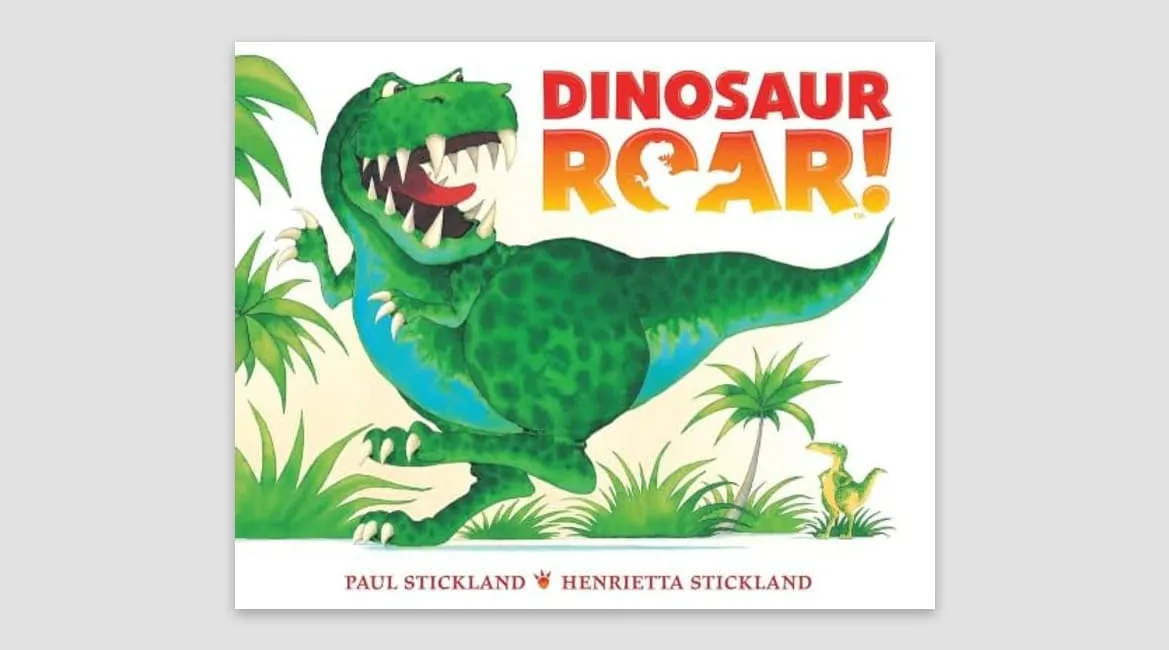
Dinosaur Roar! by Henrietta Stickland, illustrated by Paul Stickland
Dinosaurs in pairs of opposites, in a rhyme you’ll know by heart by the end of the first week: roar and squeak, fierce and meek. Good for children who like to do the voices. It’s a paperback, so it’s one to read together rather than hand over.
First proper stories
By 2 and a half, a lot of children can follow a story from start to end. These are short enough to hold their attention, with something to look at on every page.
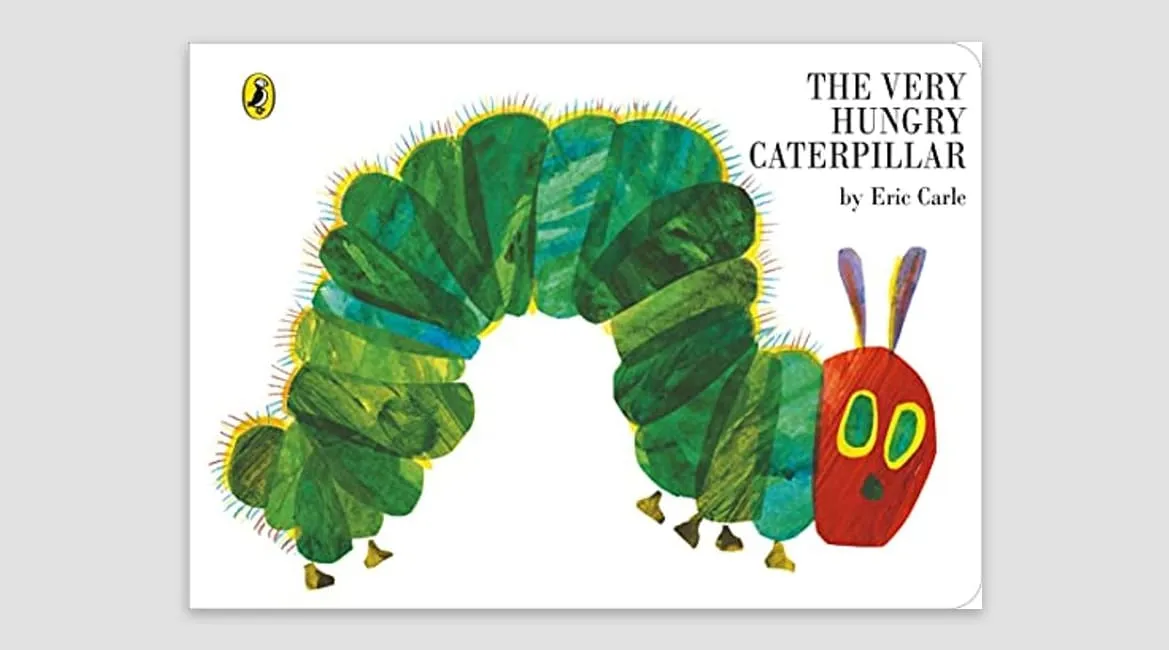
The Very Hungry Caterpillar by Eric Carle
A caterpillar eats his way through a week of food and comes out the other end as a butterfly. There are holes in the pages to poke fingers through, and it’s on most lists for a reason.
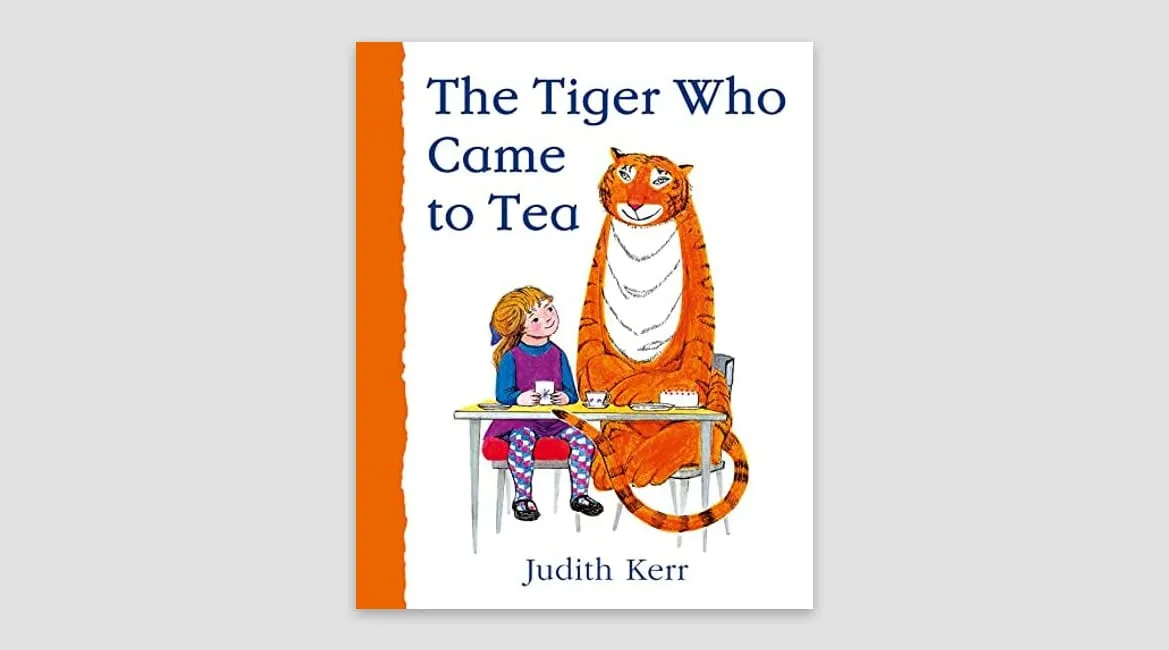
The Tiger Who Came to Tea by Judith Kerr
The doorbell rings just as Sophie and her mummy sit down to tea, and it’s a tiger. It’s longer than the others here, so it may suit the older end of 2, but the tiger usually holds them. The board book edition is sturdier than the paperback.
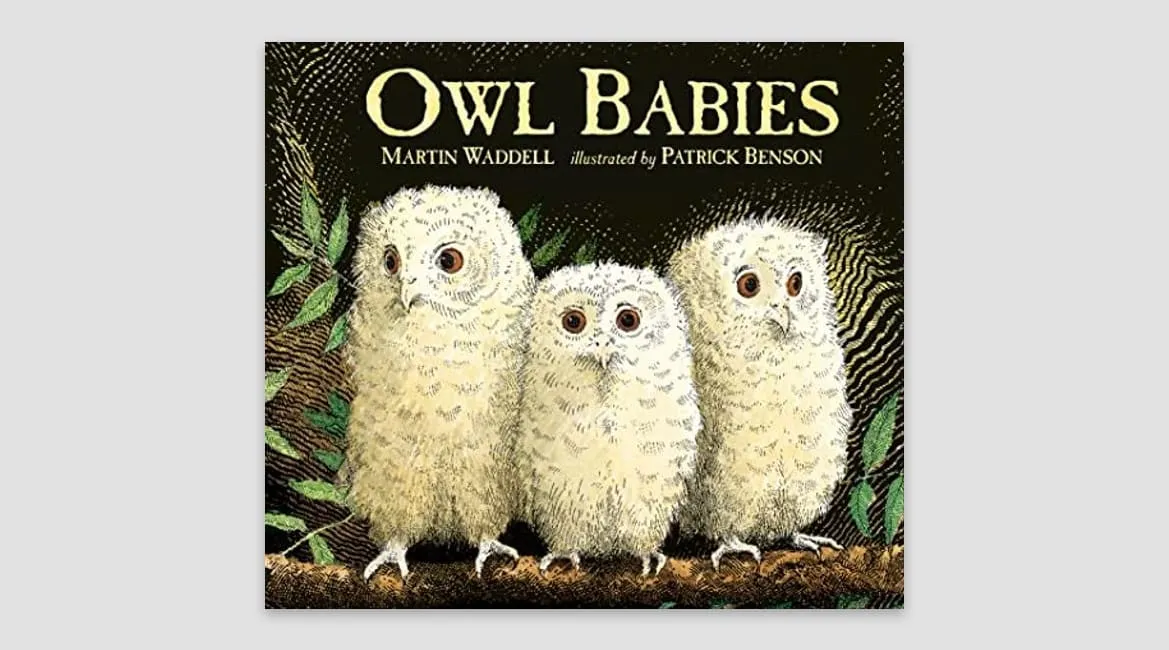
Owl Babies by Martin Waddell, illustrated by Patrick Benson
Three baby owls, Sarah, Percy and Bill, wake one night to find their mother gone. They wait and worry, and she comes home. It’s a good one for children starting nursery, or any time goodbyes are hard.
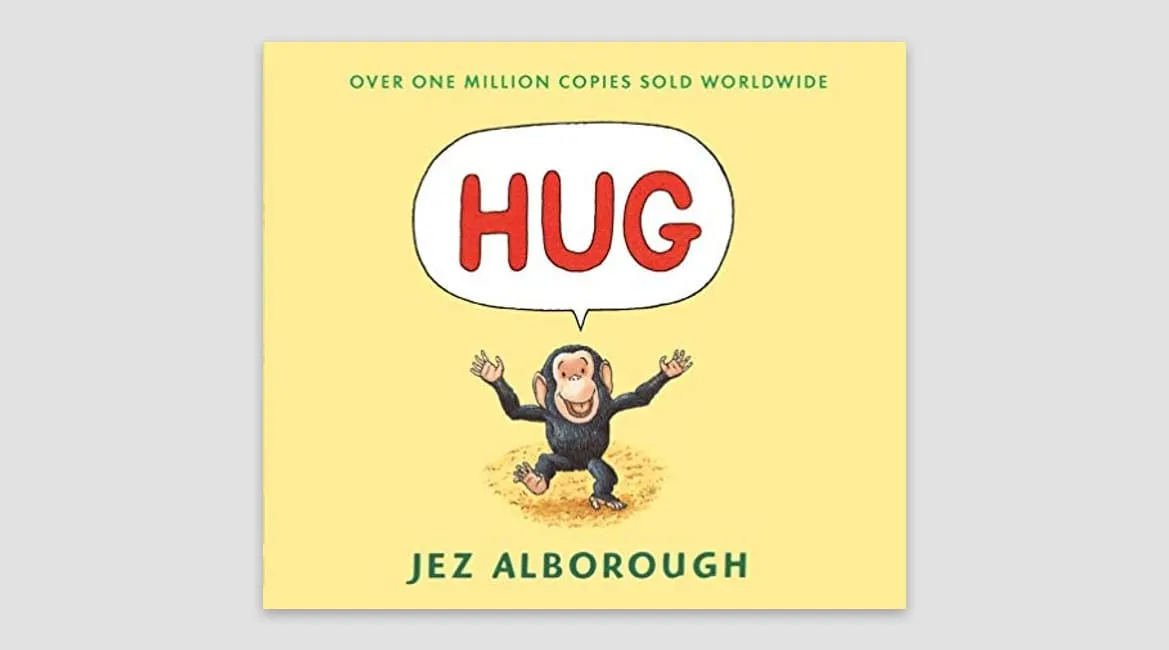
Hug by Jez Alborough
A little chimp who needs a hug from his mummy. The book uses almost no words besides “hug”, so it’s all in the pictures and in how you say it. A good first book for them to “read” to you.
A dog book for this age
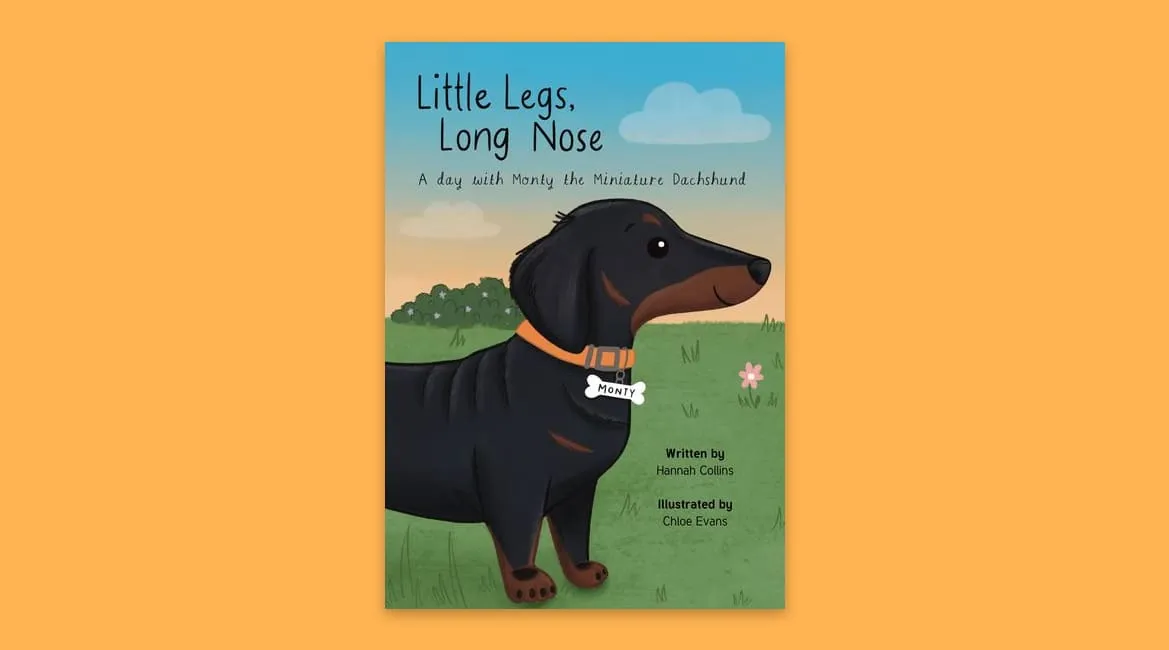
If your 2-year-old loves dogs, we wrote a book for exactly this age. Little Legs, Long Nose follows Monty the Miniature Dachshund through his day, from waking up to bedtime. There’s counting (the animals on his walk), colours (his toys) and the vegetables that go in his lunchtime soup. It’s our book, so take this with a pinch of salt. But a day that runs from breakfast to bath to bed is one a 2-year-old knows well.
For more dog books at this age, our list of children’s books about dogs has a section for toddlers.
Tips for reading with a 2-year-old
Let them turn the pages: even if it means skipping some. You can go back.
Don’t finish every book: if they’ve wandered off, that’s fine. Five minutes of a book they love beats a whole one they don’t.
Read the same one again: and again. You’ll be sick of it long before they are, but repetition is how they learn the words.
Point and name: “Where’s the duck?” turns any page into a game.
If you’re buying a book for a 2-year-old, any of these makes a good present. If they love dogs, Little Legs, Long Nose is one they can grow into, as a read-aloud now and a first book to read alone at 5 or 6. For when they’re older, see our picks for 3-year-olds and how to choose a dog book for your child’s age.